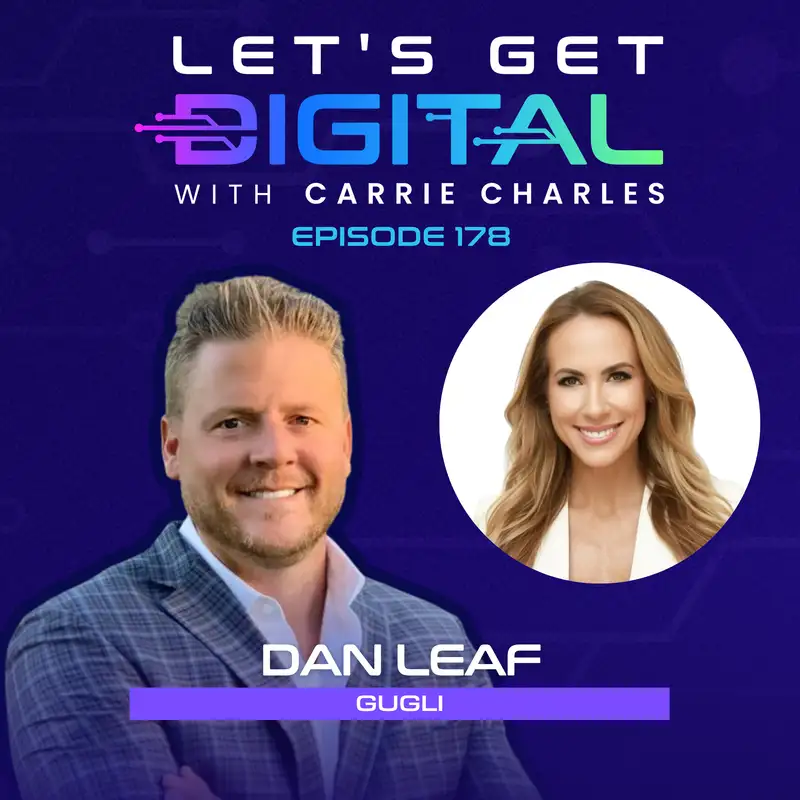
In this episode, Dan Leaf, Founder and CEO of GUGLI, shares how his journey from telecom integrator to technology innovator led him to build a platform focused on one critical mission: ensuring public safety communication systems work when lives depend on them. Drawing from decades of experience deploying wireless and critical communication infrastructure, Dan offers a compelling look at how technology, automation, and real-time visibility are transforming public safety systems and smarter infrastructure.
GUGLI was born from a major gap Dan identified while installing emergency communication systems across commercial properties: once deployed, these systems were often forgotten, leaving building owners and first responders with little visibility into whether they would function during an actual emergency. Dan explains how GUGLI evolved into a real-time monitoring platform that combines hardware, software, cloud infrastructure, and automation to continuously monitor these mission-critical systems.
A major theme throughout the conversation is the growing push toward smarter, more proactive infrastructure management. Dan highlights how emerging mandates—such as New York’s upcoming fire code requirements—are driving the need for real-time system monitoring, automated alerts, and cloud-based oversight for public safety communication networks. He also explains how evolving NFPA standards are reinforcing the importance of visibility, compliance, and faster response times.
The discussion also explores GUGLI’s expansion into AI-driven permitting, blockchain-enabled compliance systems, and 3D building visualization technology. Dan shares how these tools can dramatically reduce permitting timelines, improve code enforcement consistency, and give property owners and first responders real-time insight into system health and building conditions.
Beyond public safety, Dan emphasizes the broader applications of this technology across hospitals, schools, manufacturing facilities, data centers, and commercial real estate—where connectivity failures can create both operational and life safety risks.
Looking ahead, Dan sees a future where critical communication systems are fully automated, continuously monitored, and seamlessly integrated into the broader digital infrastructure ecosystem—creating smarter, safer, and more resilient buildings around the world.
GUGLI was born from a major gap Dan identified while installing emergency communication systems across commercial properties: once deployed, these systems were often forgotten, leaving building owners and first responders with little visibility into whether they would function during an actual emergency. Dan explains how GUGLI evolved into a real-time monitoring platform that combines hardware, software, cloud infrastructure, and automation to continuously monitor these mission-critical systems.
A major theme throughout the conversation is the growing push toward smarter, more proactive infrastructure management. Dan highlights how emerging mandates—such as New York’s upcoming fire code requirements—are driving the need for real-time system monitoring, automated alerts, and cloud-based oversight for public safety communication networks. He also explains how evolving NFPA standards are reinforcing the importance of visibility, compliance, and faster response times.
The discussion also explores GUGLI’s expansion into AI-driven permitting, blockchain-enabled compliance systems, and 3D building visualization technology. Dan shares how these tools can dramatically reduce permitting timelines, improve code enforcement consistency, and give property owners and first responders real-time insight into system health and building conditions.
Beyond public safety, Dan emphasizes the broader applications of this technology across hospitals, schools, manufacturing facilities, data centers, and commercial real estate—where connectivity failures can create both operational and life safety risks.
Looking ahead, Dan sees a future where critical communication systems are fully automated, continuously monitored, and seamlessly integrated into the broader digital infrastructure ecosystem—creating smarter, safer, and more resilient buildings around the world.
Subscribe, leave a review, and stay connected.